

Summary
- Pieter Mulier officially presented his highly anticipated final collection for Maison Alaïa during Paris Fashion Week, marking the end of his critically acclaimed five-year tenure
- The emotional Fall/Winter 2026 presentation served as a breathtaking swansong, defined by the designer’s signature architectural restraint, sculptural silhouettes, and profound respect for the house’s artisanal heritage
- Industry insiders, editors, and critics widely described the masterclass collection as an “act of courage and generosity,” praising Mulier’s enduring impact on the brand as he prepares for his rumored next chapter at Versace
The Paris Fashion Week schedule reached a stunning and emotional crescendo as Pieter Mulier presented his final, breathtaking collection for Maison Alaïa, closing out a transformative five-year chapter that successfully revitalized the legendary fashion house for a new generation.
Following the shocking announcement of his departure earlier this year, anticipation for Mulier’s swansong was at an all-time high. Setting an intimate, deeply personal tone before the runway even began, attendees received a highly unique invitation: the physical pieces of a leather bodice, delivered in a box with instructions on how to put it together, which Mulier affectionately captioned “Swan song… only love” on social media. That same dedication to tactile craftsmanship and quiet intimacy anchored the entire Fall/Winter 2026 presentation.
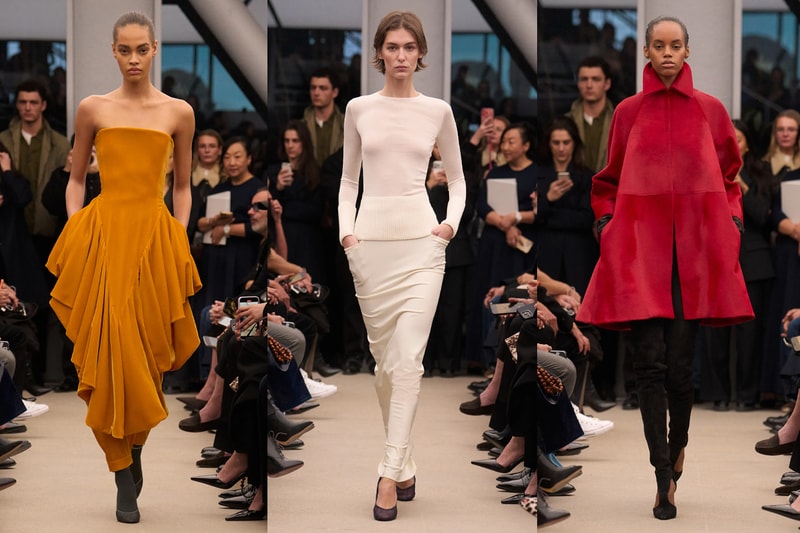
The collection itself was a masterclass in the delicate balance of restriction and release. Avoiding the noise and viral spectacles that dominate much of the modern luxury landscape, Mulier doubled down on what he does best: rigorous, uncompromising construction that honors the female form. The runway showcased a breathtaking evolution of the house codes, moving seamlessly from precision-cut, body-conscious tailoring to fluid, sensuous eveningwear that seemed to breathe with the wearer. Every sculpted volume, seamless knit, and sweeping silhouette felt intentional—a poignant reflection of Mulier’s belief in clothes that carry emotional weight.
As the final look exited the runway, the fashion industry’s reaction was swift and overwhelmingly unified. Critics, editors, and long-time Alaïa devotees flooded social media and editorial columns with praise, widely dubbing the presentation an act of courage and generosity. By fiercely protecting the artisanal ethos of founder Azzedine Alaïa while continuously pushing the boundaries of modern beauty, Mulier delivered a rare moment of pure, unadulterated fashion sincerity.
While the fashion world eagerly awaits his widely speculated move to the helm of Versace, Pieter Mulier leaves Maison Alaïa creatively revitalized and culturally triumphant—proving that in an era of constant industry turnover, true luxury lies in quiet, masterful conviction.
Click here to view full gallery at Hypebeast